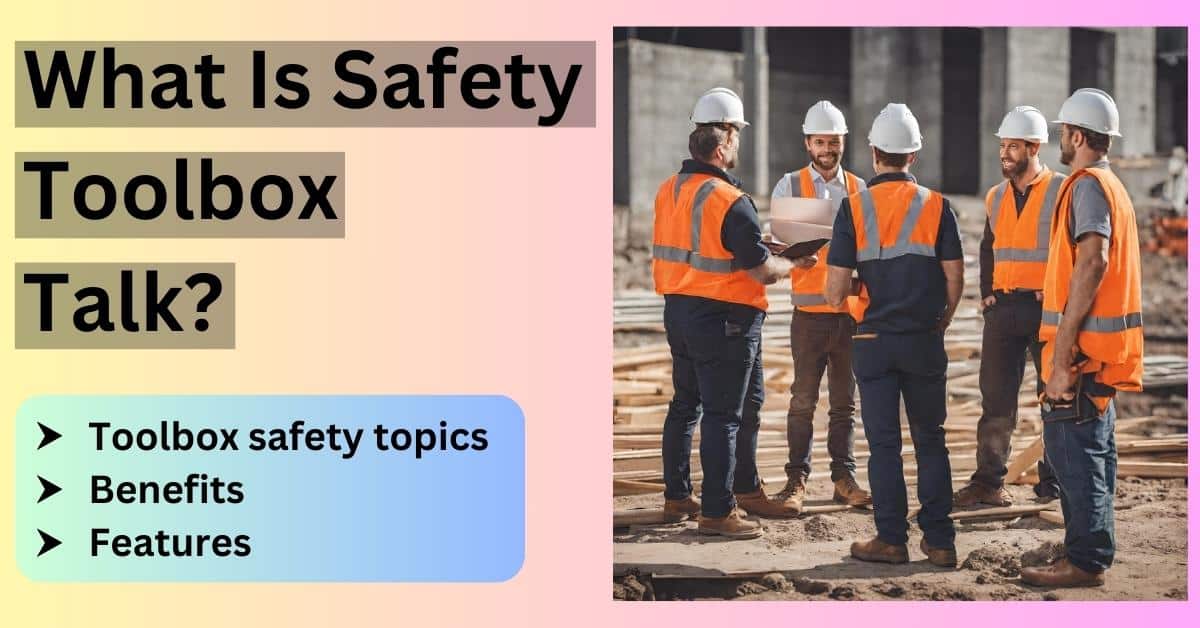
A worker in a high-vis jacket pauses on a construction site, clipboard in hand, gesturing toward an unsecured ladder. Around him, a small group listens intently. This isn’t a formal lecture—it’s a moment of real-time learning. This is a toolbox talk in action.
In the UK, where workplace safety standards are tightly regulated, the toolbox talk has become a cornerstone of daily risk management. But what is a toolbox talk UK teams actually rely on? And why do so many companies treat these short meetings as non-negotiable?
Let’s break it down—not as policy jargon, but as practical insight for those managing teams on the ground.
What Is a Toolbox Talk in the UK?
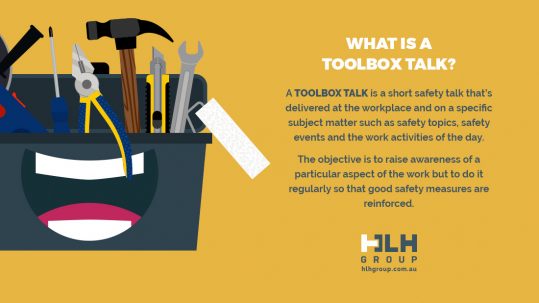
A toolbox talk is a short, informal safety meeting held at the worksite, typically lasting 10 to 15 minutes. It focuses on a specific health and safety topic relevant to the tasks being performed that day or week.
In the UK, these talks are not legally mandated as standalone documents, but they align closely with the Health and Safety at Work etc. Act 1974 and Management of Health and Safety at Work Regulations 1999. These laws require employers to assess risks, communicate hazards, and ensure workers understand control measures—objectives directly supported by toolbox talks.
Unlike lengthy training modules or annual compliance courses, toolbox talks are timely, targeted, and participative. They’re called “toolbox” talks because they were traditionally held around the job site toolbox—but today, they happen in warehouses, on scaffolding platforms, in maintenance garages, and even via mobile video calls for remote teams.
Why Toolbox Talks Matter in UK Workplaces
The value of a toolbox talk lies in its simplicity and relevance.
Consider this: A roofing team starts work without reviewing weather conditions. A sudden wind gust dislodges loose materials. No one was briefed on securing tools or wearing harnesses in high winds—because the daily talk was skipped.
This isn’t hypothetical. According to the HSE, falls from height remain the leading cause of fatal injuries in UK construction. Many of these incidents occur despite proper equipment and training—because situational awareness breaks down.
Toolbox talks close that gap.
They reinforce: - Immediate hazard recognition - Correct use of PPE - Emergency procedures - Team communication
They’re especially critical in industries like construction, utilities, manufacturing, and facilities management—where conditions change daily and risks are dynamic.
Moreover, documented talks serve as evidence of due diligence. In the event of an incident or HSE inspection, having a record shows proactive engagement with safety protocols.
Key Elements of an Effective UK Toolbox Talk
Not all toolbox talks are created equal. A rushed, one-way monologue won’t prevent accidents. An effective session includes several core components:
#### 1. Clear Topic Focus Choose one specific issue per talk. Examples: - Safe use of step ladders - Working near live electrical circuits - Handling hazardous substances (COSHH) - Manual handling techniques - Hot work permits and fire risks
Avoid broad themes like “general safety.” Specificity drives retention.
#### 2. Relevance to the Day’s Work The talk must reflect current site conditions. A discussion on trench shoring won’t resonate with electricians wiring a retail unit. Match the topic to the task.
#### 3. Interactive Delivery Ask questions. Encourage team members to share near-misses or concerns. For example: - “Has anyone seen unsafe ladder use this week?” - “What would you do if you spotted a frayed extension cord?”
Engagement boosts accountability.
#### 4. Visual or Physical Demonstration Show, don’t just tell. Demonstrate how to: - Inspect a harness before use - Set up barriers around an excavation - Label chemical containers correctly
When possible, use real tools or PPE.
#### 5. Attendance and Documentation Record who attended. Use a physical sign-in sheet or digital app. Keep logs for at least two years—this is standard practice for HSE compliance.
Common Mistakes That Undermine Toolbox Talks
Even well-intentioned teams fall into traps. Avoid these recurring errors:
| Mistake | Impact | Fix |
|---|---|---|
| Repeating the same topics monthly | Workers switch off; no fresh awareness | Rotate topics based on risk assessments and seasonal hazards |
| Letting the supervisor do all the talking | Misses team insight | Prompt input: “How would you handle this?” |
| No follow-up or action tracking | Hazards raised get ignored | Note issues and assign follow-ups |
| Holding talks off-site or too early | Context is lost | Conduct on-site, just before work begins |
| Skipping talks during tight deadlines | Signals safety isn’t priority | Treat it as essential as starting the job |
One groundkeeper in Kent admitted: “We used to do a ‘general safety’ talk every Monday. After three weeks, people weren’t even listening. Once we tied each talk to that day’s task—like hedge trimming near paths or operating ride-on mowers on slopes—engagement changed completely.”
When Should You Hold a Toolbox Talk?
Timing is everything.
Best practice in the UK is to conduct a toolbox talk: - Before starting a new task – especially high-risk work - At the beginning of a shift – to align the team - After an incident or near-miss – to reinforce lessons - When conditions change – e.g., sudden rain, equipment failure, or site access changes - When new workers join – for immediate onboarding
They’re not meant to replace formal training but to supplement it. A worker trained in confined space entry still needs a pre-entry talk covering that day’s specific setup, gas test results, and rescue plan.
Real-World Examples of UK Toolbox Talks
Let’s look at how different sectors apply the model.
#### Construction Site: Working at Height Topic: Securing tools when working on scaffolding Discussion Points: - Risk of falling objects injuring ground staff - Use of tool lanyards and toe boards - Inspection of harness anchor points Demonstration: Attach a hammer to a lanyard and show correct tethering Outcome: Reduced dropped object incidents by 70% over six weeks
#### Facilities Maintenance: Electrical Safety Topic: Isolation procedures before servicing plant rooms Discussion Points: - Correct lockout/tagout (LOTO) steps - Verifying isolation with a voltage tester - Who holds the keys? Interactive Element: “What would you do if the isolator switch is missing a cover?” Follow-Up: Added visual tags to all isolators site-wide
#### Highways Team: Night Working Topic: Visibility and traffic management Discussion Points: - Minimum retroreflective standards for clothing - Cone placement and spacing - Communication between flagmen and drivers Visual Aid: Compare compliant vs. non-compliant hi-vis jackets
These aren’t hypotheticals—they’re drawn from actual HSE case studies and contractor reports.
Integrating Toolbox Talks into Your Safety Workflow
Make talks a seamless part of operations, not an add-on.
Step 1: Assign Responsibility Designate a competent person—often a supervisor or site manager—to lead talks. Rotate among team leads to build ownership.
Step 2: Build a Topic Calendar Plan weekly themes based on: - Risk assessments - Seasonal hazards (e.g., slips in winter, heat stress in summer) - Upcoming tasks - Incident trends
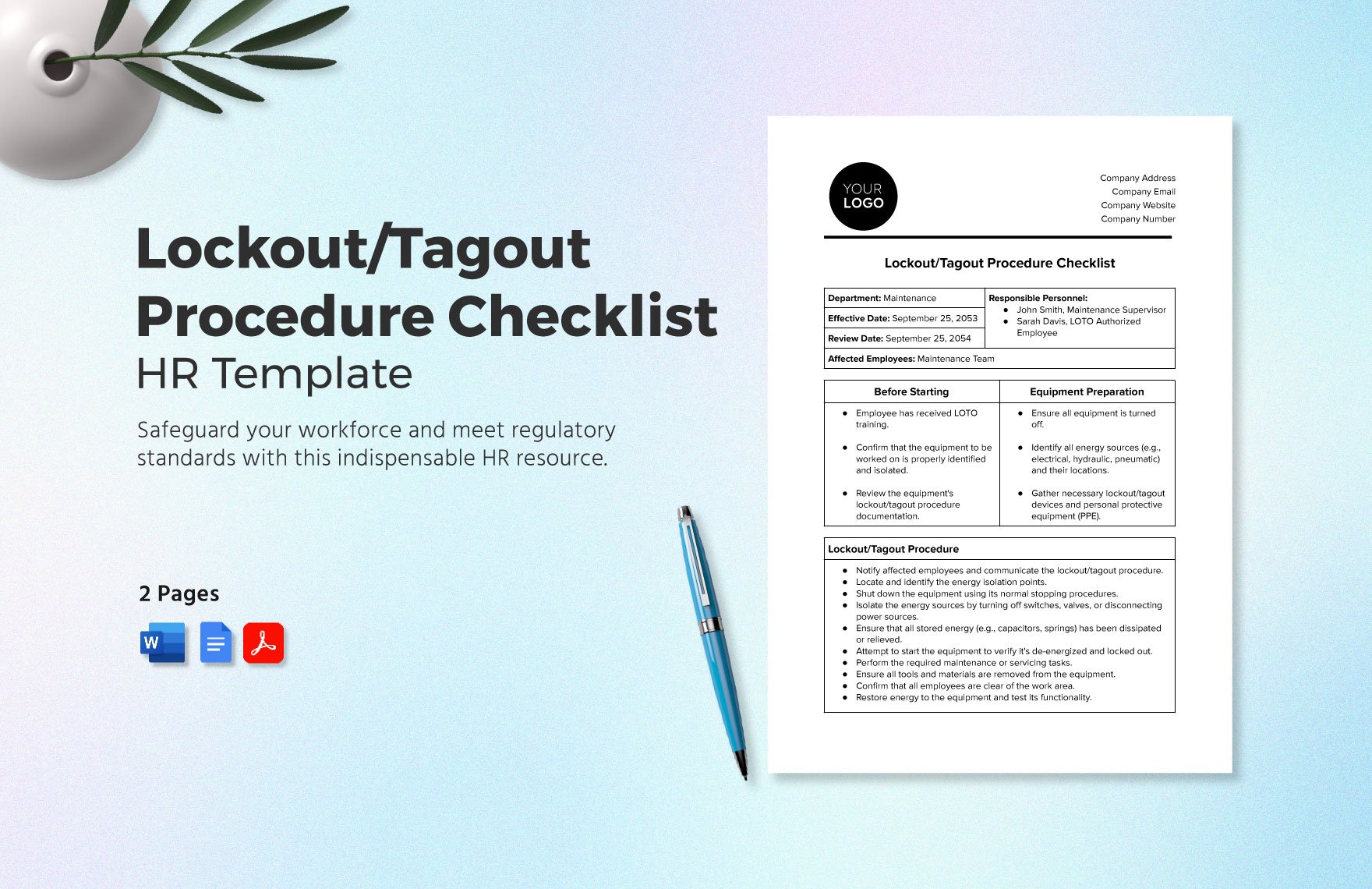
Step 3: Use Standardised Templates Create a simple format: - Date, time, location - Topic and facilitator - Key discussion points - Attendee list - Action items
Many UK contractors use downloadable HSE-aligned templates or digital platforms.
Step 4: Review and Improve Monthly, review: - Attendance rates - Topics covered - Issues raised and resolved
Adjust based on feedback and changing risks.
Digital Tools Supporting UK Toolbox Talks
While a paper checklist works, digital tools improve consistency and record-keeping. Here are five widely used platforms in the UK:
| Tool | Key Features | Best For |
|---|---|---|
| iAuditor (SafetyCulture) | Custom templates, photo evidence, real-time reporting | Teams needing visual documentation |
| SiteLine | Mobile app, integrates with HSE guidelines, offline access | Construction and utilities |
| Manual | Simple digital checklists, cloud storage | Small contractors avoiding paperwork |
| Health & Safety Talk | Free downloadable topics aligned with HSE | Budget-conscious teams |
| Procore | Full project management + safety modules | Large firms managing multiple sites |
These tools help standardise delivery, ensure consistency across sites, and simplify audits.
Final Thoughts: Making Safety Stick
A toolbox talk isn’t a box-ticking exercise. At its best, it’s a moment of shared responsibility—a chance for a team to pause, assess, and protect one another.
In the UK, where the HSE continues to prioritise enforcement in high-risk industries, these brief sessions are more than good practice. They’re a cultural lever.
The most effective toolbox talks aren’t led by someone reading from a script. They’re sparked by someone saying: “Yesterday, I saw something unsafe. Let’s talk about how we fix it—before someone gets hurt.”
That’s the real power of the toolbox talk.
Run yours with purpose. Keep it short. Make it real.
And never let a single day of work begin without one.
Frequently Asked Questions
What is the purpose of a toolbox talk in the UK? To communicate specific health and safety risks related to current tasks, reinforce safe practices, and encourage team dialogue on site safety.
Are toolbox talks a legal requirement in the UK? Not explicitly, but they support compliance with the Health and Safety at Work Act and help demonstrate that employers are managing risks effectively.
How long should a toolbox talk last? Ideally 10–15 minutes—long enough to cover the topic, short enough to maintain attention.
Who should lead a toolbox talk? A competent person, usually a supervisor or site manager, who understands the task and safety procedures.
Do toolbox talks need to be recorded? Yes. Attendance and topic records should be kept as proof of communication and due diligence, especially during HSE inspections.
Can toolbox talks reduce workplace accidents? Yes. Regular, relevant talks improve hazard awareness and reinforce safe behaviour, directly contributing to fewer incidents.
Where should a toolbox talk be held? On-site, near the work area, just before the task begins—so the context is immediate and clear.
FAQ
What should you look for in What Is a Toolbox Talk UK: A Practical Guide for Safety? Focus on relevance, practical value, and how well the solution matches real user intent.
Is What Is a Toolbox Talk UK: A Practical Guide for Safety suitable for beginners? That depends on the workflow, but a clear step-by-step approach usually makes it easier to start.
How do you compare options around What Is a Toolbox Talk UK: A Practical Guide for Safety? Compare features, trust signals, limitations, pricing, and ease of implementation.
What mistakes should you avoid? Avoid generic choices, weak validation, and decisions based only on marketing claims.
What is the next best step? Shortlist the most relevant options, validate them quickly, and refine from real-world results.